November 18, 2026
Custom granite countertops can transform a kitchen or bathroom by combining natural beauty with practical functionality. However, creating a finished surface involves more than selecting an attractive stone slab. Precise measurements, specialized cutting techniques, and careful installation are essential when accommodating sinks, faucets, cooktops, and other fixtures. Understanding how a local granite counter supplier handles custom cutouts can help homeowners prepare for their countertop projects and achieve results that fit their spaces.
Understanding the Purpose of Custom Countertop Cutouts
Custom cutouts are openings created in stone countertops to accommodate fixtures and appliances. Because every kitchen and bathroom has different dimensions and layouts, these openings must be carefully planned before fabrication begins.
Common countertop cutouts include:
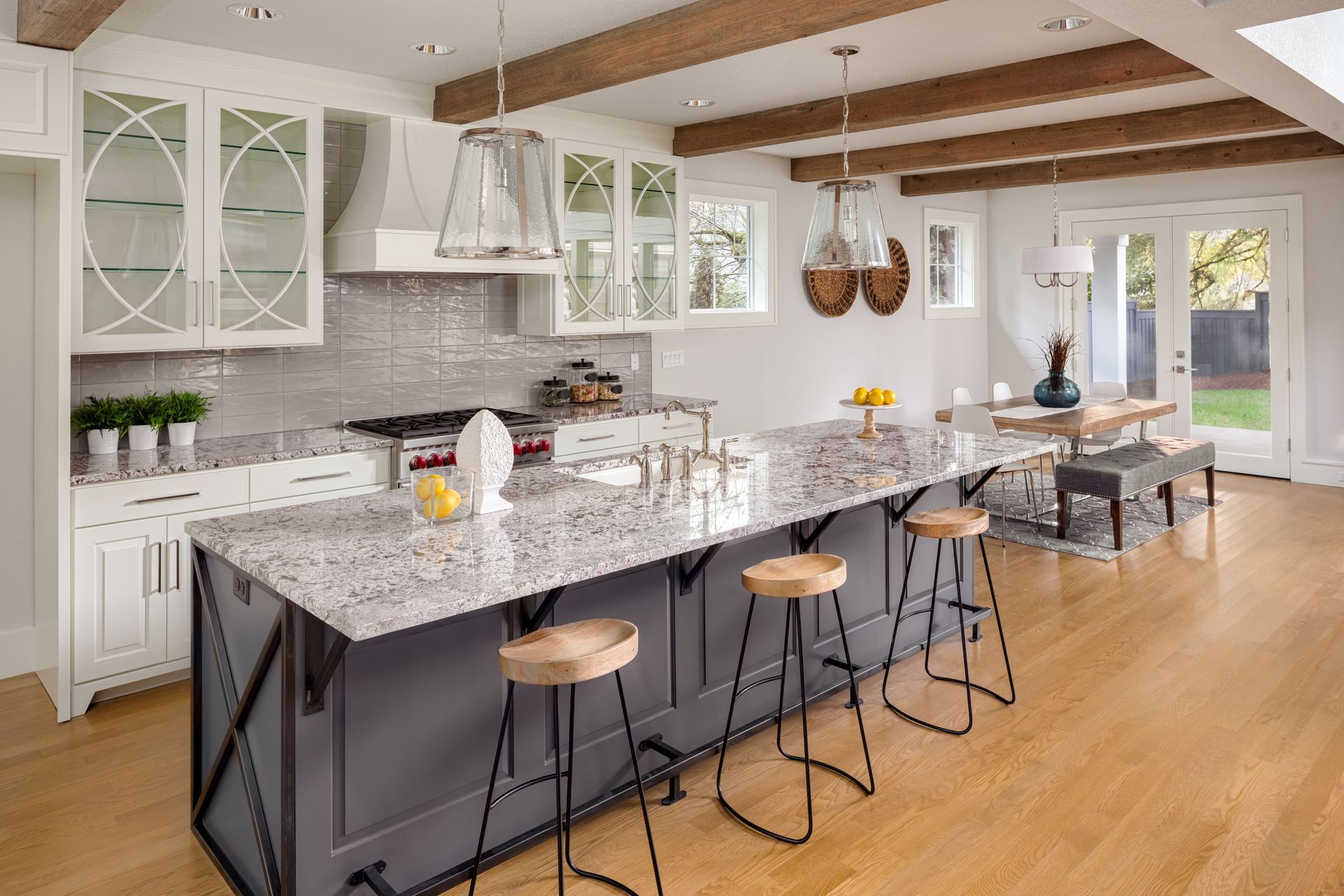
- Kitchen Sinks: Openings accommodate undermount, farmhouse, stainless steel, and composite granite sinks.
- Faucet Fixtures: Smaller holes provide space for faucets, soap dispensers, and other accessories.
- Cooktops: Specialized openings allow drop-in cooking appliances to fit securely into countertop surfaces.
- Bathroom Sinks: Vanity countertops may require openings for single or double-basin sinks.
- Additional Fixtures: Depending on the design, homeowners may need openings for accessories or other integrated features.
A granite counter supplier considers the size, placement, and intended function of each opening when developing a fabrication plan. Proper planning helps ensure that the finished countertop accommodates every fixture without compromising its appearance or structural integrity.
Planning the Countertop Layout and Fixture Placement
Before cutting begins, the countertop layout must be carefully evaluated. This stage helps determine where each opening should be positioned and how the finished surface will fit within the surrounding cabinetry.
The process typically begins with a discussion about the homeowner's preferred design, fixture selections, and functional requirements. Measurements of the cabinets, walls, and surrounding surfaces help establish the countertop dimensions. The locations of plumbing connections, appliances, and other existing features must also be considered.
Homeowners should have their sink and cooktop selections finalized before fabrication whenever possible. Different fixtures have different installation requirements, and even small variations in dimensions can affect the placement and size of a cutout.
A local granite counter supplier can help homeowners review these details and identify potential design considerations before production begins. Planning ahead reduces the likelihood of measurement errors, unnecessary adjustments, and installation complications.
Measuring the Space for Accurate Cutouts
Accurate measurements are essential for producing countertops that fit properly. Even a minor measurement discrepancy can create problems when installing sinks, faucets, or appliances.
During this stage, professionals evaluate the countertop's overall dimensions and determine the exact locations of the required openings. They consider the cabinet layout, countertop depth, edge profiles, and distances between fixtures. These measurements help establish the appropriate dimensions for each cutout.
Several factors influence the measuring process:
- Cabinet Dimensions: The underlying cabinet structure determines the available countertop space and helps establish opening locations.
- Fixture Specifications: Manufacturer measurements provide important information about the dimensions and installation requirements of sinks and cooktops.
- Clearance Requirements: Adequate space must remain around openings to accommodate mounting hardware, plumbing connections, and surrounding fixtures.
- Stone Thickness: The thickness of the selected material can influence fabrication details and fixture compatibility.
- Edge Placement: Cutouts must be positioned carefully to preserve sufficient material around the countertop's edges.
A granite counter supplier uses these measurements to develop a fabrication plan that accounts for both appearance and functionality. Taking time to verify the details before cutting helps prevent avoidable problems later.
Selecting the Right Stone and Cutout Design
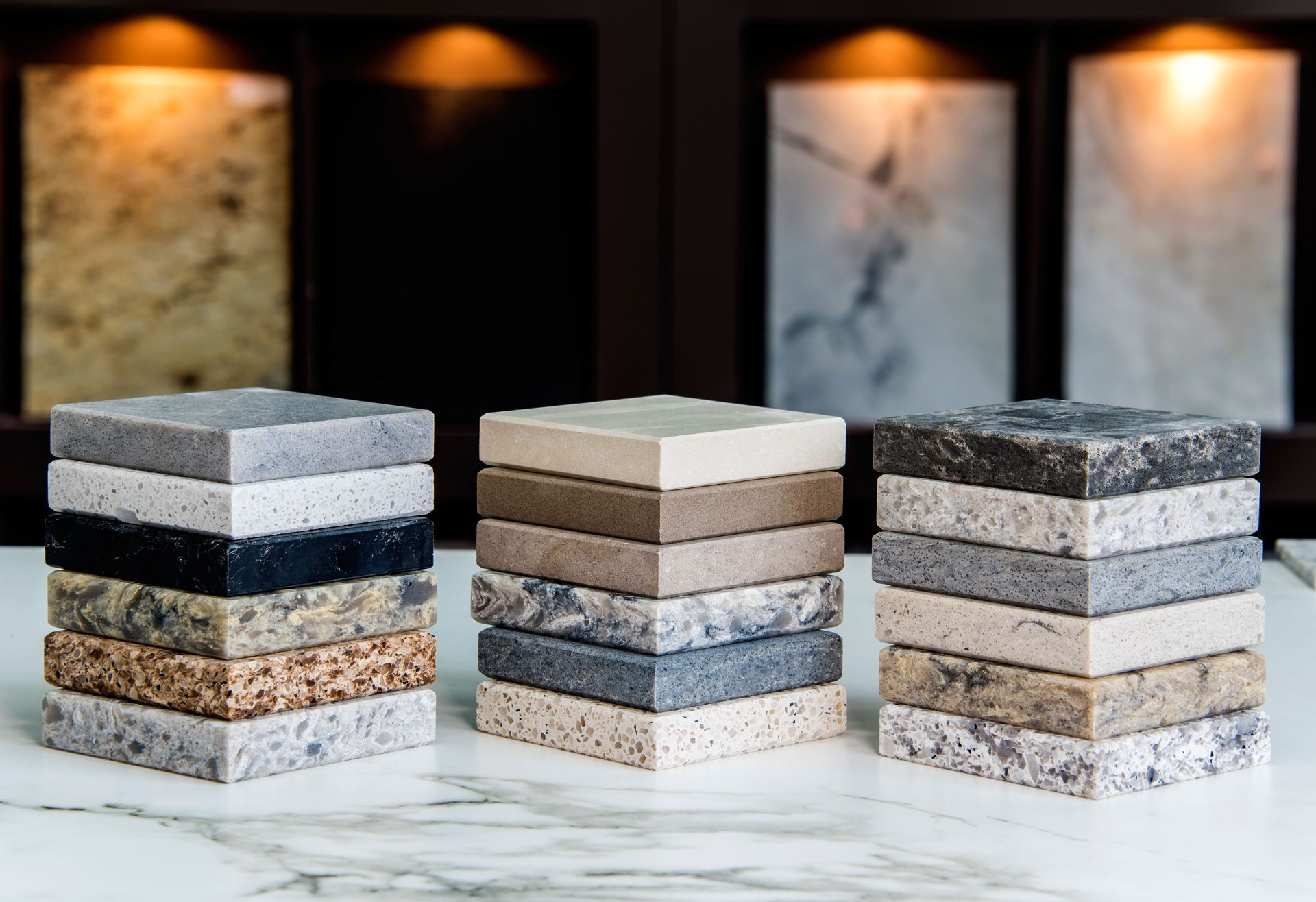
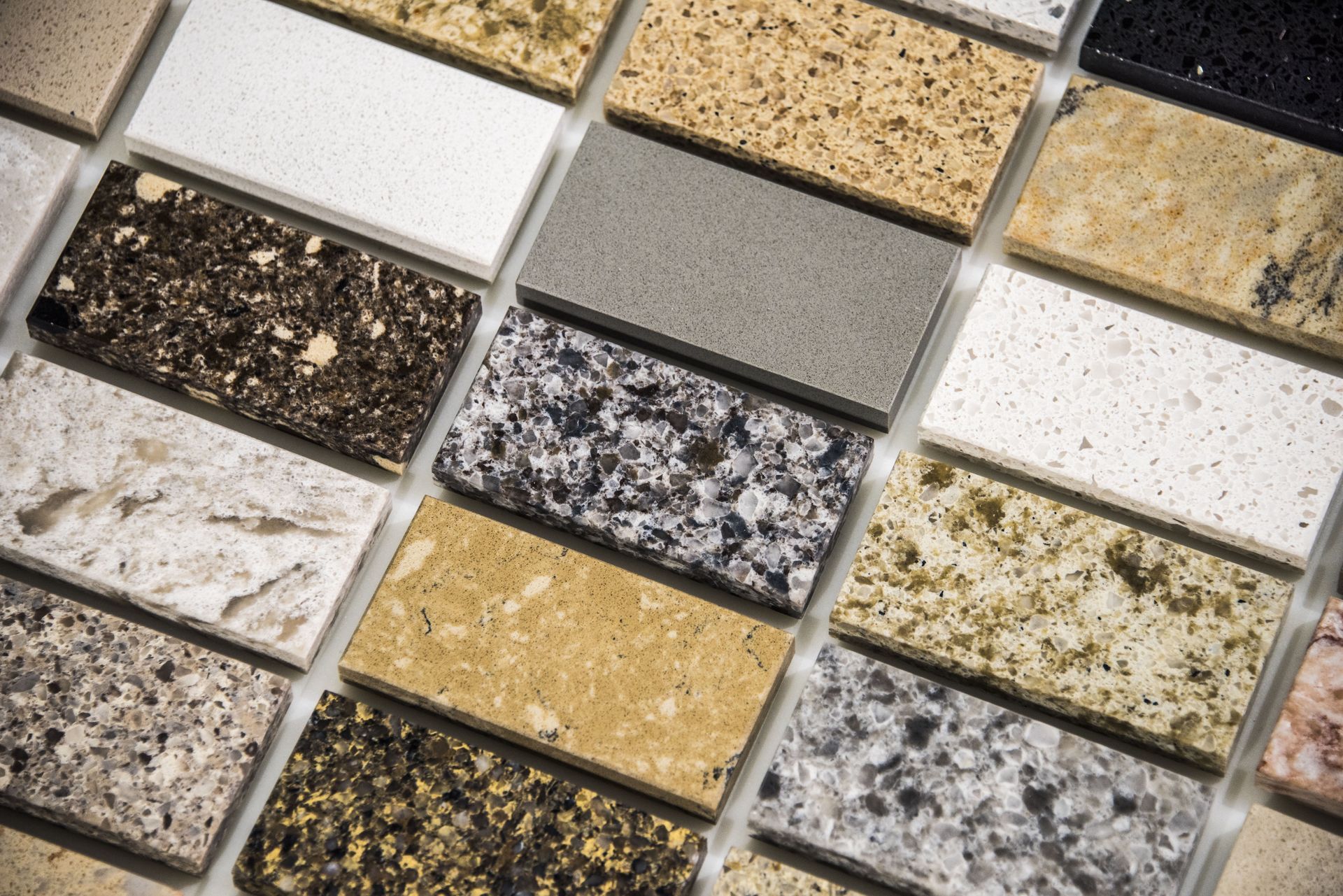
Material selection also influences how custom countertop cutouts are planned and fabricated. Granite is a natural stone, meaning every slab features its own mineral patterns, colors, and variations. These characteristics make each countertop unique.
When selecting a slab, homeowners should consider how the placement of openings will interact with the stone's natural appearance. For example, positioning a sink within a particular section of the slab may help create a more balanced visual arrangement.
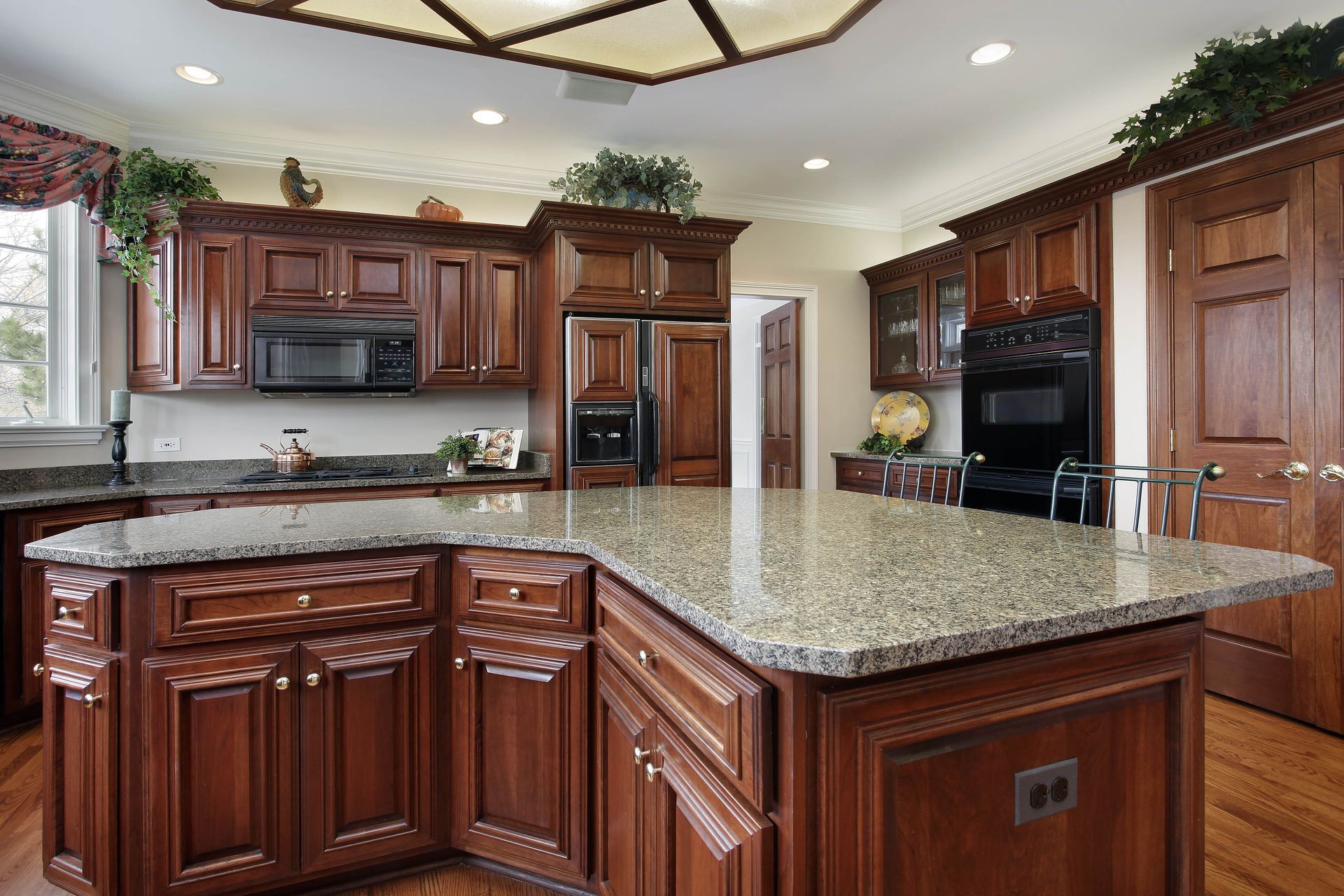
The overall design should also complement the kitchen or bathroom. Homeowners may choose from different granite colors and patterns to coordinate with cabinetry, flooring, backsplashes, and fixtures.
Edge profiles are another important consideration. A decorative edge can enhance the finished countertop, but the design must work with the location and dimensions of nearby cutouts.
According to HomeAdvisor, replacing kitchen countertops can be a relatively affordable home improvement project, with the potential to recoup up to 98.5% of the investment through increased home value. Selecting an attractive, functional countertop design can therefore contribute to both everyday enjoyment and a property's overall appeal.
Cutting Custom Openings With Precision
Once measurements and design details are finalized, fabrication can begin. Cutting granite requires specialized equipment and careful handling because natural stone is heavy and can crack or chip if improperly processed.
Professional fabricators use stone-cutting equipment designed to create accurate openings while minimizing damage to the surrounding material. Depending on the project, specialized saws, cutting tools, and finishing equipment may be used to produce the desired shapes and dimensions.
The cutting process requires attention to several details:
- Opening Dimensions: Each cutout must match the specifications of its intended fixture.
- Corner Shapes: Rounded corners are generally preferred over sharp interior corners because they help reduce stress concentrations in the stone.
- Cutting Depth: Fabricators must account for the stone's thickness and the requirements of the fixture being installed.
- Material Stability: Adequate support helps protect the slab during cutting and handling.
- Surface Protection: Careful handling helps prevent scratches, chips, and other damage during fabrication.
A granite counter supplier must balance accuracy with material preservation throughout this stage. Careful cutting helps ensure that openings are properly sized while maintaining the countertop's strength and appearance.
Finishing and Inspecting the Cutout Edges
After the openings have been cut, the exposed edges require additional attention. Raw cut edges may be rough or uneven, so finishing helps create a smooth, polished appearance that complements the rest of the countertop.
Fabricators use appropriate grinding and polishing techniques to refine the edges of each opening. The finishing process depends on the cutout's location, the fixture being accommodated, and the desired appearance.
Undermount sinks require particular attention because the exposed stone edge remains visible around the basin. A consistent finish helps create a clean transition between the sink and countertop.
Inspection is equally important. Before installation, professionals should evaluate the openings for dimensional accuracy, visible chips, uneven edges, and other potential imperfections. Confirming that each cutout matches its intended fixture helps reduce complications during installation.
Installing the Countertop and Integrating Fixtures
Once fabrication and finishing are complete, the countertop can be transported to the project site for installation. Granite slabs require careful handling due to their weight and the risk of damage during transport.
Installers position the countertop over the prepared cabinetry, checking that it sits properly and aligns with the surrounding surfaces. Seams, edges, and fixture openings are evaluated to ensure the finished installation meets the project's requirements.
Sink and faucet integration must also be coordinated. La Terra Stone Corporation offers sink and faucet selections and can help homeowners choose fixtures that complement their countertops. The company also coordinates with trusted plumbing professionals when plumbing connections are needed.
Protecting Custom Granite Countertops After Installation
Once the countertop is installed, proper care helps preserve its appearance and performance. Granite is a durable natural stone, but routine maintenance remains important for protecting its surface.
Homeowners should follow the fabricator's recommendations for cleaning and sealing. Using cleaners specifically intended for natural stone helps prevent potential surface damage, while promptly wiping up spills can reduce the likelihood of staining.
It is also important to avoid placing excessive weight on unsupported areas around sink and cooktop openings. Although granite is strong, concentrated pressure near cutouts can increase the risk of cracking or chipping.
Working with an experienced local granite counter supplier helps homeowners understand how to care for their investment after installation. Following appropriate maintenance recommendations can help preserve the stone's natural beauty for years.
Achieving a Precise and Beautiful Countertop Design
Custom cutouts require careful planning, accurate measurements, specialized fabrication, and professional installation. Every detail matters when creating openings that accommodate sinks, faucets, and appliances while preserving the strength and appearance of natural stone. Working with an experienced granite counter supplier helps ensure that these details are addressed throughout the project. Contact La Terra Stone Corporation today to explore custom granite countertops, discuss your design preferences, and request a free estimate for your next project.